The Iliad (2015) and the Odyssey (2019)
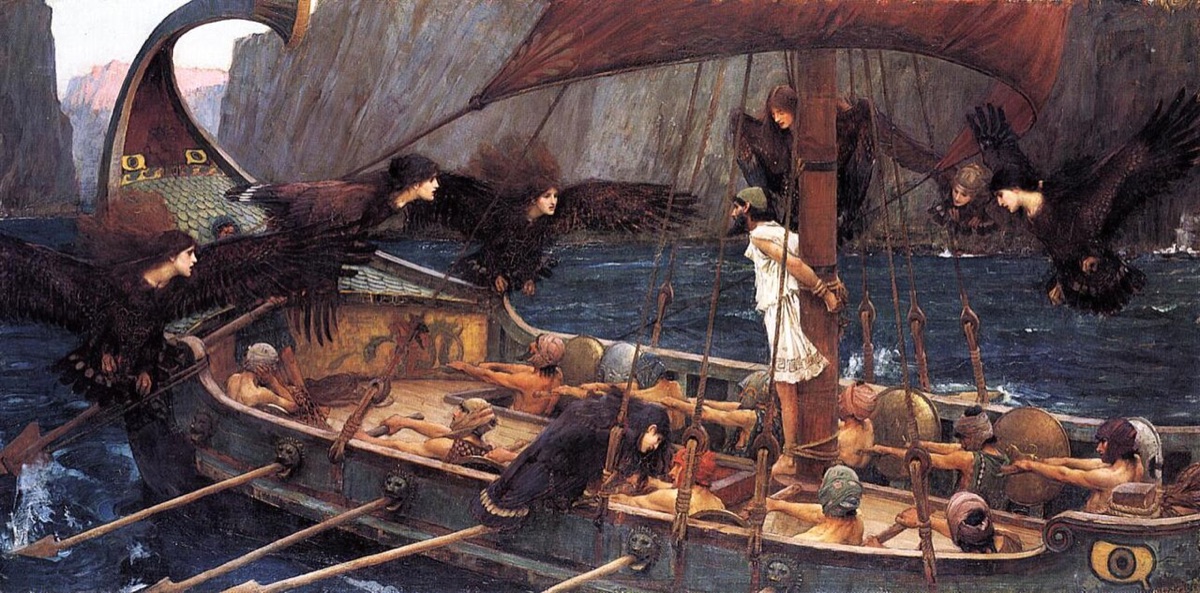
“Ulysses and the Sirens” (1891) by John William Waterhouse. Public domain, via Wikimedia Commons
Classicist Peter Green translated Homer's Iliad (2015) and Odyssey (2019) in verse, aiming for a “declaimable” style that keeps Homer's epithets and rhythm. The London Review of Books called his Iliad “the best line-for-line translation of the poem.”
In his late 80s and 90s, the classicist Peter Green produced verse translations of both Homeric epics — the Iliad (2015) and the Odyssey (2019), from the University of California Press.
Green aimed for a “declaimable” line — meant to be read aloud — in the tradition of Richmond Lattimore and C. Day Lewis. He kept Homer's repeated epithets and used transliterated Greek names rather than Latinised ones, trying to preserve the strangeness of the oral original.
Critics agreed he'd succeeded: the London Review of Books called the Iliad “the best line-for-line translation of the poem,” and reviewers comparing his Odyssey to Emily Wilson's noted that Green “captures a feel for the Homeric language, an experience closer to the original.”
And the timing could hardly be better: with Christopher Nolan's 2026 film The Odyssey sending millions back to Homer, Green's is one of the translations most worth reaching for — here's how his Odyssey compares, and why to read it after the film.
Sources: University of California Press · The Manchester Review · Peter Green (historian), Wikipedia